
Sustainable Coastal Apparel for Anglers: 2026 Guide
Table of Contents
- Why Sustainable Coastal Apparel Matters for Anglers
- Quick Comparison: Drift and Cast Sustainable Fishing Apparel
- Best Sustainable Fishing Shirts for Coastal Anglers
- Recycled Materials in Fishing Apparel: What to Look For
- Layering for the Coast: Base Layers, Mid-Layers and Outerwear
- Beyond Clothing: Sustainable Accessories for Coastal Anglers
- How to Extend the Life of Your Coastal Apparel
- Frequently Asked Questions
Last Updated: September 16, 2026
Why Sustainable Coastal Apparel Matters for Anglers
Sustainable coastal apparel for anglers is clothing designed to withstand saltwater, wind and UV exposure while reducing environmental harm through recycled or organic materials, ethical production and longer product lifespans. Every season, anglers replace kit that has stiffened, lost its colour or started shedding fibres into the water.
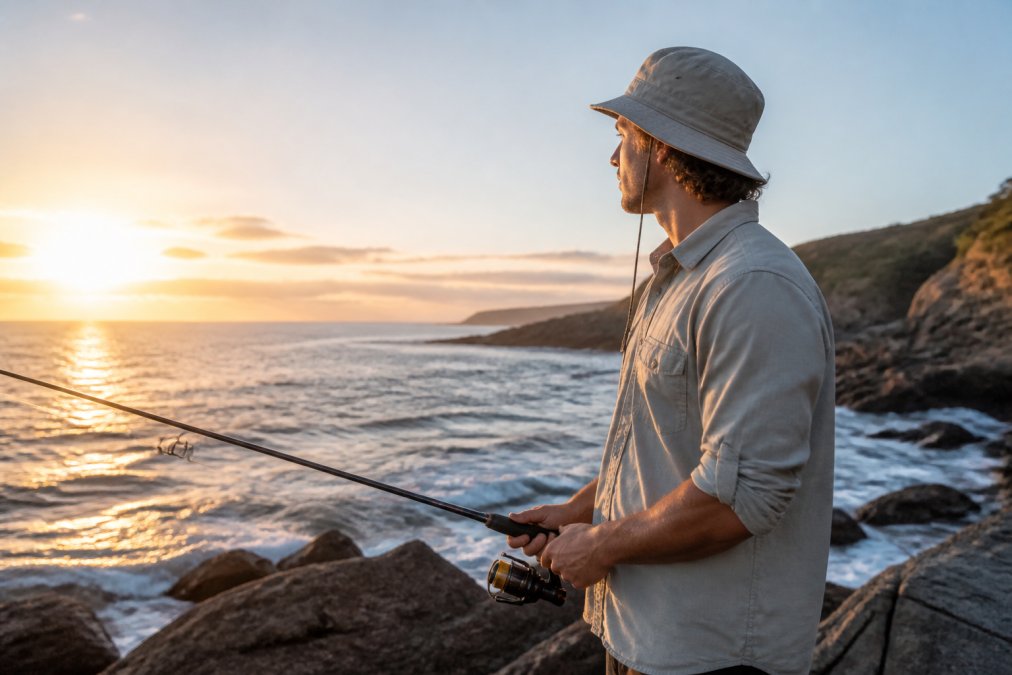
The Environmental Cost of Conventional Fishing Gear
Conventional technical apparel relies heavily on virgin synthetic fibres, and washing those garments releases microplastics into waterways. A common mistake is assuming anything marketed as "outdoor" is built to last. In practice, thin coatings and poor seam construction shorten a garment's working life, so anglers buy more often.
How Sustainable Materials Perform in Saltwater Conditions
Performance and sustainability are not opposites. Recycled polyester handles saltwater and UV exposure well, and organic cotton offers breathability for warmer days. What most guides miss is that fabric alone doesn't decide durability. Seam-sealed construction, articulated fit and corrosion-resistant zips matter just as much when you're standing in spray for hours.
Quick Comparison: Drift and Cast Sustainable Fishing Apparel
Here's how the Drift and Cast range lines up for coastal anglers.
| Product | Price | Material | Best For |
|---|---|---|---|
| Unisex Classic Tee | £18.99 | 100% cotton | Warm-weather shore sessions |
| Tight Lines Charity T-Shirt | £22.99 | Heavyweight preshrunk cotton | Everyday wear, charity support |
| White 12oz Enamel Mug | £15.99 | Enamel | Bankside brews |
| White 11oz Ceramic Mug | £14.99 | Ceramic | Home use, dishwasher safe |
| "What's Down There?" Print | £6.99 | FSC-certified 170 gsm paper | Fishing room decor |
Best Sustainable Fishing Shirts for Coastal Anglers
The best sustainable fishing shirts balance breathability, durability and a low-impact supply chain. Two options from the Drift and Cast collection cover most coastal anglers.


Unisex Classic Tee - "Fishing is a Form of Therapy"
The 100% cotton build (with cotton/polyester blends in Heather) carries a bit more weight and structure than a standard tee, and the taped neck and shoulders hold their shape through repeated wear. At £18.99, it's printed on demand, which means made to order and less waste. One honest limitation: natural colour can show dark speckles, a fabric characteristic rather than a fault.
Tight Lines Charity Logo T-Shirt - Heavyweight Cotton Classic Fit
If you want a shirt that works as hard off the bank as on it, this heavyweight preshrunk jersey knit is the pick. Double-needle hems and a seamless collar add durability, and every penny of profit goes to the Tight Lines charity. At £22.99, it's the most expensive tee in the range, but the build quality and the cause justify it.
Recycled Materials in Fishing Apparel: What to Look For
Recycled materials in fishing apparel range from recycled polyester to organic cotton, and the label alone tells you little. What matters is the certification behind it and how the fabric is finished.
Recycled Polyester and Organic Cotton Explained
Recycled polyester is fabric made from reprocessed plastic, typically bottles, which reduces demand for virgin petroleum-based fibre. Organic cotton is grown without synthetic pesticides and uses less water than conventional cotton. Both work well in coastal clothing, though recycled polyester dries faster and organic cotton feels softer against the skin.
Certifications That Actually Mean Something
Look for recognised third-party certifications rather than unverified marketing claims. The Textile Exchange standards overview explains how recycled content is verified through the supply chain, and the FSC certification explained covers responsible paper sourcing for printed goods. For UK consumers, the Competition and Markets Authority guidance on green claims sets out what businesses can and cannot say about environmental credentials.
Layering for the Coast: Base Layers, Mid-Layers and Outerwear
A layering system keeps you comfortable when coastal weather shifts through the day. Build it in three parts and you'll handle most conditions. The trick is understanding what each layer is actually doing, because a jacket marketed as "waterproof" can still soak you if the layers beneath it are wrong.
Thermal Base Layers and Moisture-Wicking Fabrics
Thermal base layers sit against the skin and move moisture away from your body before it can chill you. Merino wool and synthetic blends both work, but they behave differently:
- Merino wool regulates temperature well, resists odour naturally and stays warm when damp. It costs more and needs gentler washing.
- Synthetic blends (usually polyester with a small elastane content) dry faster and wick aggressively, which suits high-output wading. They hold odour more readily.
- Cotton is the one to avoid as a base layer in cold, wet conditions. It holds water against the skin and chills you fast.
Waterproof Jackets, Bib and Braces, and Breathable Shells
Outerwear does the heavy lifting against rain and spray, and the numbers on the label are what separate real protection from marketing. Two ratings matter:
Unisex classic tee - "Fishing is a form →
- Hydrostatic head (HH) measures water resistance in millimetres. A shell rated 5,000 mm handles light rain; 10,000 mm is a sensible coastal minimum; 20,000 mm and above copes with sustained driving spray.
- Breathability is usually given in g/m²/24h (grams of moisture vapour passed per square metre per day). Higher is better when you're working a rod. Around 10,000 g is a reasonable baseline; 20,000 g suits active anglers.
Sun Protection and Technical Fishing Gloves
UV protection matters more than most anglers admit. Long sessions in reflected glare add up, so UV-rated shirts, a hat and technical fishing gloves protect your hands from sun and line burn alike. Look for a UPF rating on the garment, UPF 30 blocks roughly 97% of UV radiation, UPF 50 blocks around 98%, and remember that a wet shirt offers less protection than a dry one.
Mid-Layers: The Piece Most Anglers Skip
A mid-layer traps warmth between your base and shell. A fleece or lightweight insulated jacket works well, and a grid fleece gives a better warmth-to-weight ratio than a flat one because the grid channels vent excess heat. This is the layer you add or remove as the day warms and cools, so pick one that packs small enough to stuff in a tackle bag.
Beyond Clothing: Sustainable Accessories for Coastal Anglers
Accessories are where a lot of anglers overlook sustainability. A reusable 100% cotton tote replaces single-use bags on every trip, and the Drift and Cast Look What's for Tea! Eco-Friendly Tote Bag at £20.99 has reinforced handles and a 10 litre capacity, enough for a day's shopping or a well-stocked tackle bag.
How to Extend the Life of Your Coastal Apparel
Extending a garment's working life is the single most effective sustainability move available to any angler. Most guides stop at a care list. The bigger wins are in repair, recycling and understanding where your gear actually ends up, the parts the competition skips.
The Care Routine That Actually Adds Years
- Rinse saltwater out after every session, salt degrades fibres, stiffens zips and corrodes metal hardware
- Wash on a low temperature (30°C) with a full load to reduce microplastic shedding per garment
- Use a guppyfriend-style wash bag to catch loose fibres before they reach the drain
- Air dry rather than tumble dry to protect coatings, membranes and prints
- Repair tears and replace zips before they spread
- Re-proof waterproof finishes each season rather than replacing the jacket
Repairability: Fix the Membrane, Not the Whole Jacket
A waterproof jacket usually fails at the seams, the zip or the DWR finish, not the fabric itself. All three are repairable:
- Seam tape lifting? A patch of seam-seal tape and a warm iron can re-bond it.
- Zip jammed or broken? Zip sliders and full zip replacements are cheap and widely available; a tailor can swap one in for far less than a new shell.
- DWR worn off? A wash-in or spray-on re-proofer restores beading. This is routine maintenance, not a repair.
End-of-Life Recycling: Where Worn Gear Should Go
This is the gap almost every buying guide misses. When a garment is genuinely finished, it should not go in the bin. Options in order of preference:
- Brand take-back schemes, several outdoor brands run programmes that collect worn garments and turn them into new fibre or insulation. Check the brand's site before discarding anything.
- Textile recycling banks, most local authority recycling centres accept clean clothing, including technical fabrics.
- Charity shops, anything still wearable will be resold, extending its life further.
- Textile-to-textile recyclers, a growing number of UK schemes accept mixed fibres that charity shops reject.
Microplastic Shedding Mitigation: The Ocean Connection
Washing synthetic clothing is a major source of microplastic pollution reaching the sea, and anglers wear a lot of synthetics. The mechanisms that reduce shedding are well understood:
- Wash less often. Spot-clean and air garments between sessions.
- Wash at low temperature. Higher temperatures and longer cycles release more fibres.
- Use a filter bag or in-line filter. These capture fibres before they enter the wastewater system.
- Choose denser, better-constructed fabrics. Loosely spun yarns shed more than tightly woven ones, another reason build quality matters.
Ethical Supply Chains: Ask for a Transparency Score
On the supply side, ethical manufacturing means brands can name their factories and demonstrate fair labour conditions. A useful test is to ask three questions:
- Which factories make this garment, and where?
- What certification covers labour conditions (for example, a recognised social-audit standard)?
- Can you show the audit?
Frequently Asked Questions
What makes fishing apparel sustainable?
Sustainable fishing apparel uses materials such as recycled polyester, organic cotton and FSC-certified paper-based packaging, and it is produced through print-on-demand or low-waste manufacturing. It also considers durability, repairability and end-of-life recycling. Look for certifications like FSC and brands that publish their supply chain and labour practices. Drift and Cast, for example, prints on demand and uses FSC-certified paper for its art prints, reducing overproduction.
Are there UK-based brands for sustainable coastal fishing gear?
Yes, several UK brands focus on sustainable coastal apparel. Drift and Cast is a Cornwall-inspired independent brand that uses print-on-demand to reduce waste and offers FSC-certified art prints alongside organic cotton and recycled polyester apparel. When choosing, check for transparency about materials, manufacturing location and ethical labour. Supporting UK-based brands also reduces shipping emissions compared to overseas alternatives.
What materials should I look for in eco-friendly fishing clothing?
Prioritise recycled polyester, organic cotton, and blends that include natural fibres. Recycled polyester reduces reliance on virgin plastic and can be made from post-consumer bottles. Organic cotton uses less water and no synthetic pesticides. Also look for bluesign or OEKO-TEX certifications, which verify safe and responsible production. For coastal wear, moisture-wicking and quick-dry properties matter as much as the fibre source.
Is recycled polyester good for sea fishing gear?
Recycled polyester performs similarly to virgin polyester in terms of durability, moisture-wicking and quick-drying, but with a lower environmental footprint. It is well-suited for sea fishing because it resists saltwater degradation and holds up to repeated washing. However, it can shed microplastics, so washing in a Guppyfriend bag or using a filter is recommended. Choose recycled polyester for base layers and mid-layers where breathability and moisture management matter.
How does sustainable apparel impact the marine environment?
Sustainable apparel reduces the volume of microplastics entering waterways, lowers chemical runoff from conventional cotton farming, and decreases the carbon emissions associated with fast fashion. By choosing durable, repairable garments and recycling them at end of life, anglers can cut waste. Print-on-demand also avoids overproduction, meaning fewer unsold items end up in landfill. The cumulative effect is cleaner coastlines and healthier fish habitats.